Sydney Erskine, LMFT
Compassionate therapist focused on body and emotion
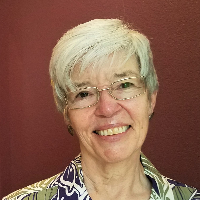
About Sydney
Sydney Erskine is a licensed marriage and family therapist who helps people facing stress, anxiety, addiction, grief, and relationship concerns. She brings 24 years of experience and a calm, practical presence to sessions. People who want clear steps and emotional understanding often find her approach helpful.
Sydney works from a whole-person perspective that includes body awareness, thoughts, and feelings. She uses somatic ideas to help people notice bodily signals alongside emotions.
Background and approach
Client-Centered Therapy guides conversations so each person feels heard and respected. In sessions she combines emotionally focused work with practical tools. This means talking through core feelings and learning simple skills to manage strong reactions.
The focus is on understanding patterns, setting realistic goals, and trying small changes that build over time. Sydney has a long history in addiction treatment, dual diagnosis settings, and independent practice in the Bay Area. Her background includes study in humanistic and psychodynamic ideas, and she blends elements from several approaches to fit each person’s needs.
When someone makes the first contact, Sydney starts by identifying the main problems and what the person values. Together they set measurable goals and create steps to reach them. The work aims to increase self-awareness, lessen harmful patterns, and support meaningful change in daily life.
How somatic and emotion-focused work translates online
Somatic Therapy helps people notice how feelings show up in the body, like tension, breath, or movement. Online sessions can guide gentle awareness and simple body-based practices that reduce reactivity and increase calm. Emotionally-Focused Therapy focuses on understanding core emotions and how they shape relationships and personal patterns; this approach helps when strong feelings or attachment wounds drive behaviors. Client-Centered Therapy creates a respectful, nonjudgmental space where the person’s perspective leads the work and feels heard.Finding the best approach is part of the process. The therapist will collaborate with each person to pick methods that fit their goals, needs, and comfort level. That means trying techniques, checking what helps, and adjusting the plan together as work progresses.
Online options include video calls, phone sessions, live chat, and text-based messaging. These formats offer flexibility for people with busy schedules or limited travel options and make it easier to maintain consistency. The variety of formats also lets someone choose more reflective conversation, brief check-ins, or ongoing text support based on what works in day-to-day life.
Frequently asked questions
What kinds of concerns does she address?
What is her therapeutic style like?
How much clinical experience does she have?
What are her credentials and where is she based?
Which languages are used in sessions?
What session formats are available?
How are fees and billing handled?
How do I begin working with her?
Specialties and expertise
Top specialties
- Addictions
- LGBT
- Relationship issues
Also works with
- Abandonment
- ADHD
- Aging and geriatric issues
- Anger management
- Attachment issues
- Career difficulties
- Caregiver issues and stress
- Codependency
- Communication problems
- Compassion fatigue
- Coping with life changes
- Dependent personality
- Depression
- Drug and alcohol addiction
- Eating disorders
- Emptiness
- Family conflicts
- Family of origin issues
- Forgiveness
- Grief
- Guilt and shame
- Hospice and end-of-life counseling
- Intimacy-related issues
- Isolation / loneliness
- Life purpose
- Midlife crisis
- Money and financial issues
- Multicultural concerns
- Post-traumatic stress
- Self esteem
- Self-love
- Sleeping disorders
- Somatization
- Stress, Anxiety
- Trauma and abuse
- Women's issues
Therapeutic approaches
- Experience
- 24 years
- Licensed
- California
- Languages
- English