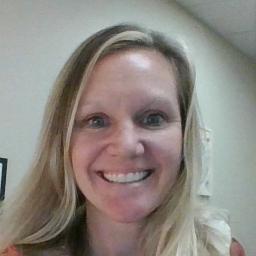
About Susan
Susan Mount is a Licensed Professional Counselor (LPC) in Colorado with 22 years of clinical experience. She combines practical skill with a warm, steady presence to help people manage stress, anxiety, trauma, grief, and life changes. Susan makes space for honest conversation and focuses on what a person needs right now.
Her background includes work in orphanages, residential treatment, and addiction treatment settings. She has also counseled many children, young adults, and parents in school and personal settings.
Background and approach
That experience shaped a straightforward, compassionate way of working with difficult histories and complex family situations. Susan uses a mix of approaches in sessions. She draws on Somatic methods to connect body sensations with emotions.
She uses Attachment-Based and Client-Centered ideas to build safety and mutual respect. Cognitive Behavioral Therapy helps people notice and change unhelpful thoughts and behaviors. Her style is interactive, strength-focused, and supportive.
Sessions often combine talking, gentle skills practice, and simple experiments clients can try between meetings. She helps people rebuild self-esteem, address eating and mood concerns, and cope with compassion fatigue and burnout. Susan also supports people facing relationship strain, parenting challenges, blended family issues, and addiction concerns.
She works with a wide range of emotional struggles including dissociation, post-traumatic stress, and self-harm thoughts. Her aim is to help each person find clearer choices and more manageable days.
How Susan's approaches translate to online therapy
Somatic approaches pay attention to body sensations alongside thoughts and feelings. Online sessions can include guided attention to breath, posture, and simple body-based exercises useful for stress, trauma, and anxiety. Attachment-Based Therapy focuses on building a safe, predictable relationship in the room. That work helps people who struggle with connection and trust by exploring patterns and trying new ways of relating during sessions.Client-Centered Therapy emphasizes respect, empathy, and following the client's agenda. The therapist listens and reflects so each person feels heard and can lead the pace of change. Together the therapist and client discuss which approaches feel most helpful and adjust the plan as needs and goals evolve.
Online formats make it easier to fit therapy into busy lives. Video calls allow face-to-face interaction for skills practice and emotional work. Phone, live chat, and text-based messaging offer flexible options for shorter check-ins, processing between sessions, and ongoing support. These choices give practical access to a licensed professional while keeping the focus on finding the right method for each person.
Frequently asked questions
What concerns does she address?
What is her therapeutic style like?
How much clinical experience does she have?
What are her credentials and where is she based?
Which languages are supported for sessions?
In what formats are sessions offered?
How does payment and cost work?
What are the first steps to begin therapy?
Specialties and expertise
Top specialties
Also works with
- Addictions
- ADHD
- Anger management
- Attachment issues
- Bipolar disorder
- Blended family issues
- Codependency
- Compassion fatigue
- Coping with life changes
- Depression
- Dissociation
- Divorce and separation
- Eating and food-related issues
- Eating disorders
- Emptiness
- Family conflicts
- First responder issues
- Forgiveness
- Hospice and end-of-life counseling
- Intimacy-related issues
- Isolation / loneliness
- LGBT
- Parenting issues
- Personality disorders
- Post-traumatic stress
- Relationship issues
- Self esteem
- Self-harm
- Self-love
- Social anxiety and phobia
- Traumatic brain injury
Therapeutic approaches
- Experience
- 22 years
- Licensed
- Colorado
- Languages
- English