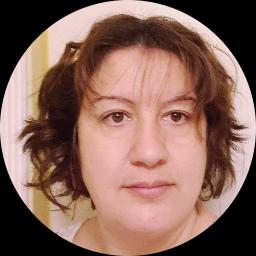
About Sandra
Sandra Miramontes is a Licensed Marriage and Family Therapist who helps people facing relationship strain, anxiety, grief, addiction concerns, and parenting stress. She speaks English and Spanish and brings ten years of clinical experience. Sandra aims to create a calm, practical space where people can talk through what matters most to them.
She uses an array of approaches and adapts them to each person's needs. That includes somatic work that links body sensations to emotions, Acceptance and Commitment Therapy to clarify values and actions, and attachment-based ideas to understand relationship patterns.
Background and approach
Sandra also draws on cognitive behavioral tools to challenge unhelpful thinking and client-centered methods to keep sessions focused on each person's priorities. Sandra earned a Master of Science in Counseling and a Bachelor of Arts in Psychology. Her professional credential is LMFT - Licensed Marriage and Family Therapist, with Florida and Tennessee registrations documented as FL LMFT MT4558 and TN LMFT 1359.
She has worked with people from many cultural backgrounds over the past decade. In sessions she balances hands-on somatic noticing with practical exercises you can try between meetings. Conversations often include small experiments, skills practice, and reflection on patterns that get in the way of goals.
The focus is on gradual changes that feel doable in everyday life. Therapy is offered through video calls, phone sessions, live chat, or text-based messaging. Sandra helps people figure out which format and approach fit their schedule and needs.
How somatic and values-based work translates online
Somatic work focuses on noticing sensations in the body and linking them to emotions and patterns. Online sessions can guide breath, grounding, and gentle body awareness so people learn how physical signals show up during stress or relationship triggers.Acceptance and Commitment Therapy (ACT) helps people name what matters and take small steps in that direction. In video or phone sessions, ACT techniques include values clarification, short behavioral experiments, and committed action planning to move toward meaningful goals.
Attachment-based approaches look at how past relationships shape current expectations and interactions. Through conversation and targeted reflections, the therapist helps identify patterns and try new ways of relating that feel safer and more effective.
Choosing the right approach is part of the process. The therapist will work together with each person to identify goals, try different techniques, and adjust methods based on what helps most. That collaborative stance means approaches evolve as needs change.
Online therapy offers flexibility through video calls, phone sessions, live chat, or text-based messaging. These options make it easier to fit therapy around parenting, work, or mobility needs, and allow people to practice exercises between sessions in the places they live. Licensed professionals can guide somatic noticing, values work, and attachment-focused reflection across these formats to support steady progress.
Frequently asked questions
What concerns does Sandra commonly address?
How would you describe her therapeutic style?
What is her clinical background?
Where is she licensed and based?
Which languages are available for sessions?
Can international clients sign up for sessions?
What session formats does she use?
How are fees and starting steps handled?
Specialties and expertise
Top specialties
- Relationship issues
- Trauma and abuse
- Intimacy-related issues
Also works with
- Abandonment
- Addictions
- Adoption and foster care
- Aging and geriatric issues
- Anger management
- Antisocial personality
- Attachment issues
- Avoidant personality
- Bipolar disorder
- Blended family issues
- Body image
- Cancer
- Career difficulties
- Caregiver issues and stress
- Chronic pain, illness, and disability
- Co-morbidity
- Codependency
- Commitment issues
- Communication problems
- Compassion fatigue
- Control issues
- Coping with life changes
- Coping with natural or human-caused disaster
- Dependent personality
- Depression
- Disruptive Mood Dysregulation Disorder (DMDD)
- Dissociation
- Divorce and separation
- Domestic violence
- Emptiness
- Family of origin issues
- Family problems
- Fatherhood issues
- Fertility issues
- First responder issues
- Forgiveness
- Gender dysphoria
- Grief
- Guilt and shame
- Hearing impaired
- HIV / AIDS
- Hoarding
- Hospice and end-of-life counseling
- Immigration issues
- Impulsivity
- Infidelity
- Intellectual disability
- Isolation / loneliness
- Life purpose
- Men's issues
- Midlife crisis
- Money and financial issues
- Mood disorders
- Multicultural concerns
- Narcissism
- Obsessions, compulsions, and OCD
- Panic disorder and panic attacks
- Paranoia
- Parenting issues
- Personality disorders
- Phobias
- Post-traumatic stress
- Pregnancy and childbirth
- Prejudice and discrimination
- Process addiction (porn, exercise, gambling)
- Seasonal Affective Disorder (SAD)
- Self esteem
- Self-harm
- Self-love
- Sex addiction
- Sexual assault and abuse
- Sexual dysfunction
- Sexuality
- Smoking / vaping cessation
- Social anxiety and phobia
- Somatization
- Stress, Anxiety
- Traumatic brain injury
- Trichotillomania
- Veteran and Armed Forces Issues
- Visually impaired
- Women's issues
- Workplace issues
- Young adult issues
Therapeutic approaches
- Acceptance and Commitment Therapy (ACT)
- Attachment-Based Therapy
- Client-Centered Therapy
- Cognitive Behavioral Therapy (CBT)
- Dialectical Behavior Therapy (DBT)
- Emotionally-Focused Therapy (EFT)
- Existential Therapy
- Eye Movement Desensitization and Reprocessing (EMDR)
- Gottman Method
- Hypnotherapy
- Imago Relationship Therapy
- Jungian Therapy
- Mindfulness Therapy
- Motivational Interviewing
- Narrative Therapy
- Psychodynamic Therapy
- Solution-Focused Therapy
- Somatic Therapy
- Trauma-Focused Therapy
- Internal Family Systems
- Systemic Therapy
- Experience
- 10 years
- Licensed
- Florida, Tennessee
- Languages
- English, Spanish