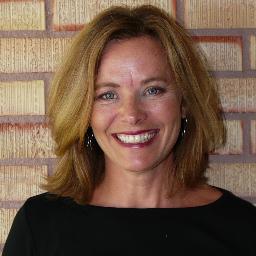
About Patricia
Patricia DeBor is a Licensed Professional Counselor (LPC) with over 15 years of experience. She practices from Idaho and works with adults experiencing stress, anxiety, trauma, grief, career concerns, and major life changes. Patricia draws on somatic awareness alongside talk-based methods to help people feel more grounded in their bodies and daily lives.
She brings experience from independent practice, military settings, and higher education. That background informs practical help for people facing first responder stress, veteran and armed forces issues, and hospice or end-of-life situations.
Background and approach
She also supports people coping with process addictions, sexual assault or abuse, jealousy, and seasonal mood shifts. Patricia blends client-centered listening with cognitive tools and attachment-focused thinking. Sessions typically focus on uncovering what’s getting in the way, building skills, and testing small changes that feel doable.
She keeps the tone warm and direct so clients can move forward at their own pace. In therapy she works collaboratively to set clear goals and develop tools people can use between sessions. Practical strategies may include breathing and body-awareness exercises, thought-focused skills, and values-based decision making.
Patricia offers sessions by video call, phone, live chat, or text-based messaging. Sessions use a subscription that can be canceled at any time and cost varies with location and therapist availability. To begin, prospective clients complete a short matching questionnaire and schedule according to availability.
How somatic and talk therapies work online
Somatic-informed work helps people notice how stress and emotion show up in the body. In online sessions this might mean guided breathing, posture awareness, or simple movement cues to help clients feel more present. It can be helpful for trauma, anxiety, and stress when words alone don’t fully capture experience.Attachment-Based Therapy looks at how past relationships shape current patterns. In a session the therapist and client talk about ways to feel safer in relationships and try new interaction habits. Client-Centered Therapy focuses on listening and support, giving people space to set the pace and priorities for their healing.
Finding the right approach is part of the work. The therapist will collaborate with clients to pick methods that match their needs, goals, and comfort level. That means trying tools and adjusting the plan together rather than promising a single fixed path.
Online therapy offers flexibility for people with busy schedules or limited local options. Video calls allow face-to-face interaction, phone sessions remove the need for cameras, and live chat or text messaging give ongoing access between sessions. These options make it easier to fit consistent work into everyday life and try body-based and conversational techniques in a way that suits each person.
Frequently asked questions
What concerns does Patricia commonly address?
What kind of therapy style does she use?
How much experience does she have?
What are her professional credentials and location?
Which languages are supported for sessions?
What session formats are available?
How are sessions paid for and what do they cost?
How do I get started with therapy?
Specialties and expertise
Top specialties
Also works with
Therapeutic approaches
- Experience
- 15 years
- Licensed
- Idaho
- Languages
- English