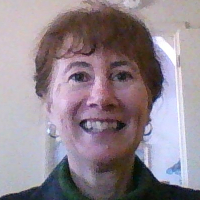
About Megan
Megan Rafferty is a licensed professional clinical counselor with 30 years of counseling experience and a long history working in New Mexico. She greets people warmly and creates a calm space to talk about what is hard. Megan listens with curiosity and helps people find what they want to change.
Megan blends somatic awareness with client-centered listening to help people notice how the body and feelings connect. She uses clear, practical tools from cognitive behavioral strategies and dialectical skills to manage stress and anxiety.
Background and approach
Attachment-based ideas guide work on relationships and intimacy concerns. Her practice covers a wide range of life challenges. These include grief, depression, parenting concerns, career questions, caregiving stress, and complications from trauma or abuse.
She also supports people facing relationship shifts such as separation, blended family dynamics, or non-monogamous arrangements. Megan aims for simple, steady steps rather than fast fixes. Sessions focus on building safety, naming patterns, and practicing new ways to respond.
She invites reflection on life purpose, meaning, and values as part of long-term change. Over three decades she has worked as a counselor, trainer, mediator, and professor. Her approach is straightforward and human.
People who want practical tools plus attention to body and emotion may find her style a good match.
Approaches that connect body, attachment, and daily coping
Somatic work helps people tune into bodily sensations and notice how feelings show up in the body. It can be useful for trauma, stress, and when emotions feel stuck rather than just in the head. Attachment-based therapy focuses on how early patterns influence current relationships and helps people build safer ways of relating to others. Client-centered therapy centers the person's goals and experience, with the therapist following the person's lead and offering nonjudgmental support.Choosing a therapeutic approach is part of the process and happens together. The therapist will talk with the person about what matters most, try different ways of working, and adjust methods based on needs and preferences. This collaborative stance makes it easier to find a mix of somatic awareness, relationship work, and practical skills that fits.
Online therapy offers flexibility to fit sessions into busy lives. Video calls allow face-to-face connection, while phone, live chat, and text messaging give options for people who prefer less direct contact or need shorter check-ins. These formats make it simpler to practice skills between sessions and keep therapy consistent despite distance or schedule changes.
Frequently asked questions
What kinds of problems does she help with?
What is her therapeutic style?
How much experience does she have?
What are her credentials and where is she based?
Which languages are supported for sessions?
Can I work with her from another country?
What session formats are available?
How are costs and starting steps handled?
Specialties and expertise
Top specialties
Also works with
- Abandonment
- Aging and geriatric issues
- Attachment issues
- Blended family issues
- Career difficulties
- Caregiver issues and stress
- Coaching
- Codependency
- Communication problems
- Compassion fatigue
- Coping with life changes
- Depression
- Divorce and separation
- Family conflicts
- Family of origin issues
- Forgiveness
- Hospice and end-of-life counseling
- Intimacy-related issues
- Life purpose
- Midlife crisis
- Parenting issues
- Polyamory / non-monogamous relationships
- Post-traumatic stress
- Relationship issues
- Self esteem
- Self-love
- Sexuality
- Trauma and abuse
- Women's issues
- Workplace issues
Therapeutic approaches
- Experience
- 30 years
- Licensed
- New Mexico
- Languages
- English