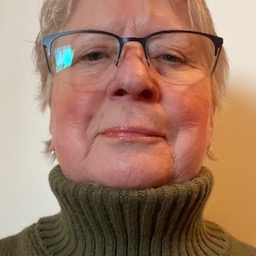
About Mary
Mary Gales-Wenz is a Licensed Independent Clinical Social Worker with four decades of experience in mental health. She practices from Minnesota and brings a calm, practical presence to sessions. People come to her for help with anxiety, depression, trauma, addiction, grief, and stress.
Her work blends attention to the body with talk therapy. She uses somatic ideas to help people notice how stress shows up in their bodies and to find simple ways to regulate.
Background and approach
She also draws on client-centered methods to focus sessions on each person's priorities and on cognitive-behavioral ideas to change unhelpful thoughts and habits. Mary has worked in many settings over 40 years, including the Department of Veterans Affairs, outpatient and inpatient hospitals, addiction treatment centers, and community mental health clinics.
She has experience with people facing post-traumatic stress, mood disorders, substance use, and the effects of sexual or physical trauma. Her background includes clinical supervision, program roles in insurance-related behavioral healthcare, and a small independent practice since 2009. She keeps up with current research and new approaches so her options remain practical and relevant.
Sessions aim to be straightforward and focused. Mary helps people learn tools they can use between meetings to manage sleep, anger, self-worth, and life transitions. She also supports those coping with chronic illness, first responder stress, and veteran-related concerns.
How somatic and practical approaches work online
Mary combines somatic ideas with client-centered and cognitive-behavioral work. Somatic Therapy asks people to notice bodily signals and simple regulation strategies to reduce overwhelm; it can help with trauma responses, chronic pain, and stress. Client-Centered Therapy focuses sessions around what the person wants to address, creating space to set goals and pace. Cognitive Behavioral Therapy (CBT) looks at the link between thoughts, feelings, and actions and teaches practical exercises to shift unhelpful patterns. Finding the right approach is part of the process. The therapist will work collaboratively to identify which methods fit a person's needs, goals, and comfort. Together they try ideas, track what helps, and adjust the plan over time. Online formats offer flexibility for people with busy schedules or mobility limits. Video calls allow face-to-face conversation and visual cues. Phone sessions remove the need for video while keeping real-time connection. Live chat and text-based messaging let people check in between sessions or use shorter, focused exchanges when needed. These options make it easier to use somatic exercises, practice CBT tools, and keep therapy consistent across life changes.Frequently asked questions
What concerns does Mary commonly address?
How would you describe her therapy style?
What is her professional background?
What credentials and location are listed?
Which languages are supported and are international clients accepted?
How are sessions delivered?
How is cost handled for sessions?
What are the first steps to begin therapy here?
Specialties and expertise
Top specialties
Also works with
- Anger management
- Bipolar disorder
- Career difficulties
- Chronic pain, illness, and disability
- Codependency
- Compassion fatigue
- Coping with life changes
- Coping with natural or human-caused disaster
- Depression
- Domestic violence
- Drug and alcohol addiction
- Family conflicts
- Family of origin issues
- First responder issues
- Grief
- Guilt and shame
- LGBT
- Men's issues
- Mood disorders
- Post-traumatic stress
- Seasonal Affective Disorder (SAD)
- Self esteem
- Self-harm
- Sexual assault and abuse
- Sleeping disorders
- Somatization
- Veteran and Armed Forces Issues
- Women's issues
- Young adult issues
Therapeutic approaches
- Experience
- 40 years
- Licensed
- Minnesota
- Languages
- English