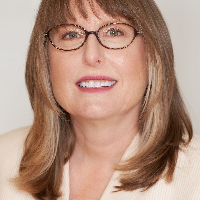
About Margaret
Margaret Millhench is a Licensed Professional Counselor (LPC) in Michigan with eight years of experience. She focuses on stress, anxiety, depression, grief, career concerns, relationship and intimacy issues, trauma and abuse, and related struggles. Margaret combines talk therapy with awareness of the body to help people feel steadier in daily life.
Her approach begins with building safety and trust. Early work often centers on practical coping skills, grounding, and centering exercises to help reduce overwhelm.
Background and approach
Sessions are guided by what each person needs in the moment rather than fixed labels. Margaret uses somatic methods alongside client-centered and mindfulness approaches. That means she pays attention to how emotions show up in the body and offers simple ways to notice and regulate those sensations.
She also draws on psychodynamic ideas to help identify patterns tied to past experiences. People who come to her often bring anxiety, panic attacks, grief, burnout, ADHD-related struggles, or trouble with boundaries and attachment. She also supports those coping with compassion fatigue, control issues, and communication problems.
Work in therapy can include skills practice, reflective conversation, and body-based exercises. Sessions may involve paced breathing, grounding practices, and mindful attention to physical responses. Margaret aims to create a steady, respectful space where people can explore feelings, try new ways of relating, and make changes that feel manageable.
How somatic and mindful approaches work online
Somatic Therapy focuses on how feelings and memories appear in the body. Online sessions can include guided attention to breath, posture, and body sensations to help reduce tension and panic. This approach can be useful for trauma responses, anxiety, and stress.Client-Centered Therapy emphasizes listening and collaboration. The therapist follows the client’s pace and priorities, offering support and reflective feedback rather than directives. This approach helps people who want a steady, respectful space to talk and try new coping strategies.
Finding the right mix of approaches is part of the work together. Margaret will talk with each person about goals and preferences, then tailor techniques from somatic, mindfulness, and client-centered work. The plan can change over time as needs shift, and decisions are made together.
Online formats offer practical flexibility. Video calls allow face-to-face interaction for guided grounding and body awareness. Phone sessions provide a quieter option, while live chat and text messaging let people check in between sessions or use brief tools when time is tight. These options support continuity of care and make it easier to fit therapy into a busy life.
Frequently asked questions
What kinds of concerns does Margaret address?
How would you describe her therapeutic style?
What is her professional background?
What credentials and location apply to this therapist?
Can sessions be conducted in languages other than English or with international clients?
What session formats are available for online work?
How is payment handled and what does it cost?
What are the first steps to begin therapy?
Specialties and expertise
Top specialties
- Stress, Anxiety
- Grief
- Career difficulties
Also works with
Therapeutic approaches
- Experience
- 8 years
- Licensed
- Michigan
- Languages
- English