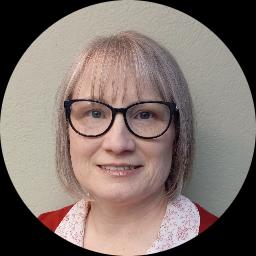
About Lisa
Lisa Williams is a Licensed Professional Counselor (LPC) and a Licensed Professional Clinical Counselor (LPCC) who practices in Colorado. She has worked in counseling for 25 years and helps people facing stress, anxiety, depression, trauma and abuse, and relationship or intimacy concerns. Her way of working is practical and straightforward, focused on understanding each person's situation and what they want to change.
She wrote her master’s degree in Counseling Psychology at the University of Colorado at Denver and has worked in a range of settings.
Background and approach
That experience helped her learn different tools and ways to support people through life transitions, coping struggles, sleep problems, addictions, bipolar mood concerns, and compassion fatigue. Lisa uses a mix of approaches and matches what she offers to each person’s needs. In sessions she prioritizes listening and helping people build self-understanding.
She blends cognitive-behavioral tools with acceptance strategies and somatic awareness when helpful. She also draws on client-centered, dialectical, narrative, and solution-focused ideas to fit the situation. Her style is collaborative and goal-oriented.
Lisa helps people practice skills, try new behaviors, and make step-by-step changes. She also supports acceptance when some things can’t be changed right away. People who want a counselor who combines practical skill-building with attention to body-based and mindset shifts may find this approach useful.
Lisa aims to be steady and present while working with each person’s unique needs.
Therapeutic approaches and online care
Somatic work pays attention to how the body holds stress and emotion. It helps people notice sensations, breathing, and movement to reduce tension and react differently in difficult moments. Acceptance and Commitment Therapy (ACT) focuses on clarifying what matters most and taking small steps toward those values while learning to accept hard feelings. Cognitive Behavioral Therapy (CBT) looks at unhelpful thoughts and patterns and teaches practical skills to change reactions and behaviors.Finding the right approach is part of the work. The therapist collaborates with each person to choose or blend methods based on goals, symptoms, and personal preferences. That way the plan can shift if something feels off or isn’t helping.
Online sessions offer flexibility through video calls, phone appointments, live chat, or text messaging. These options make it easier to fit counseling into a busy life and to get support from home or while traveling. Licensed professionals can use these formats to teach skills, guide somatic exercises, and coach through real-time challenges so clients can practice between sessions.
Frequently asked questions
What kinds of problems does she help with?
How would you describe her therapy style?
What is her professional background?
What credentials and location are listed?
Which languages and international options are available?
What session formats does she use?
How does payment and cost work?
How do I begin working with her?
Specialties and expertise
Top specialties
Also works with
- Addictions
- Bipolar disorder
- Compassion fatigue
- Coping with life changes
- Intimacy-related issues
- LGBT
- Relationship issues
- Self esteem
- Sleeping disorders
Therapeutic approaches
- Experience
- 25 years
- Licensed
- Colorado, New Mexico
- Languages
- English