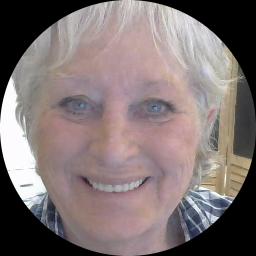
About Karen
Karen Kavaloski is a licensed professional counselor who helps people facing stress, anxiety, addiction, grief, trauma and relationship struggles. She practices from Missouri and draws on 17 years of clinical experience. Karen aims to make therapy feel clear and practical so people can use what they learn right away.
She began her career in nursing and later shifted to counseling, earning licenses as an LPC and an LPCC. That background shapes a straightforward approach that honors both body and mind.
Background and approach
Karen is also a cancer survivor and a long-time military spouse, experiences she says inform her empathy and resilience. Karen combines somatic work with talk-based methods. Sessions often include attention to body sensations alongside problem-solving and skills practice.
She uses tools from cognitive behavioral work, dialectical skills, attachment-focused ideas, and client-centered listening to meet a person where they are. Her practice has focused largely on trauma and substance use with adults, and she has additional experience supporting people during reentry after incarceration. She also has worked with parenting stress and family challenges, including adoption and blended family concerns.
Clients can expect a collaborative tone in sessions. She helps people name practical steps, notice what the body is signaling, and try small changes between meetings. Outside of work she reads, meditates, gardens, and keeps up gentle daily exercise.
How somatic and skills-based work translates online
Somatic-informed therapy brings attention to body sensations and movement as part of emotional healing, helping people notice where stress shows up and try gentle ways to change those patterns. Attachment-Based Therapy focuses on patterns in close relationships and helps people understand how past connections shape present reactions. Client-Centered Therapy offers a listening, nonjudgmental space where the person’s own goals guide the process.Choosing the right mix of these approaches is part of the work together. The therapist will talk with the client about goals, preferences, and what feels most helpful. Sessions are collaborative and can shift methods as needs change so the person and therapist find the best fit.
Online formats include video calls, phone sessions, live chat, and text-based messaging to make therapy more flexible. Video lets the therapist and client see body cues and practice interventions that include movement or grounding. Phone sessions use less bandwidth and can be a simpler option for check-ins. Live chat or text messaging can support short check-ins, skill rehearsal, or between-session coaching when a quick touchpoint helps with coping.
Frequently asked questions
What concerns does Karen work with?
How would you describe her therapy style?
What is her professional background?
What credentials and location are listed?
Which languages are offered and are international clients supported?
What session formats are available?
How does payment and cost work?
How do I begin working with her?
Specialties and expertise
Top specialties
- Stress, Anxiety
- Addictions
- Relationship issues
Also works with
- Abandonment
- Adoption and foster care
- Aging and geriatric issues
- Anger management
- Attachment issues
- Blended family issues
- Cancer
- Career difficulties
- Caregiver issues and stress
- Co-morbidity
- Codependency
- Commitment issues
- Communication problems
- Control issues
- Coping with life changes
- Depression
- Divorce and separation
- Domestic violence
- Drug and alcohol addiction
- Emptiness
- Family conflicts
- Family of origin issues
- Family problems
- Fatherhood issues
- Fertility issues
- Forgiveness
- Grief
- Guilt and shame
- Hospice and end-of-life counseling
- Impulsivity
- Infidelity
- Intimacy-related issues
- Isolation / loneliness
- Jealousy
- Life purpose
- Men's issues
- Midlife crisis
- Money and financial issues
- Mood disorders
- Obsessions, compulsions, and OCD
- Panic disorder and panic attacks
- Parenting issues
- Phobias
- Postpartum depression
- Seasonal Affective Disorder (SAD)
- Self esteem
- Self-love
- Sex addiction
- Sexual dysfunction
- Sexuality
- Social anxiety and phobia
- Somatization
- Trauma and abuse
- Veteran and Armed Forces Issues
- Women's issues
- Workplace issues
Therapeutic approaches
- Attachment-Based Therapy
- Client-Centered Therapy
- Cognitive Behavioral Therapy (CBT)
- Dialectical Behavior Therapy (DBT)
- Emotionally-Focused Therapy (EFT)
- Mindfulness Therapy
- Motivational Interviewing
- Narrative Therapy
- Psychodynamic Therapy
- Solution-Focused Therapy
- Somatic Therapy
- Trauma-Focused Therapy
- Internal Family Systems
- Experience
- 17 years
- Licensed
- Missouri, New Mexico, North Carolina, Texas, Michigan
- Languages
- English