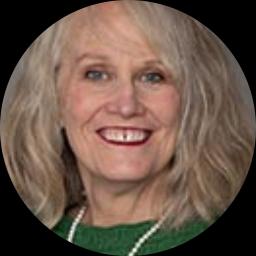
About Julie
Dr. Julie Moreno is a licensed professional counselor in Michigan who helps people facing stress, anxiety, depression, grief, and major life changes. She is direct and practical in sessions, aiming to make conversations feel manageable and clear.
Her style is calm and steady, and she focuses on what matters most to each person. Julie brings 14 years of clinical experience to her work. She uses body-aware tools alongside talk therapy to help people notice how emotions show up in the body.
Background and approach
She also draws on acceptance and commitment ideas to help people clarify values and take small steps toward them. Cognitive techniques are used when needed to change unhelpful thinking patterns. In sessions she creates space to talk about relationships, intimacy-related concerns, parenting stress, career strain, and challenges tied to chronic illness or aging.
She also supports people working through trauma, addictions, sleep problems, and compassion fatigue. Julie pays attention to attachment and communication patterns that keep problems cycling. Clients can expect a collaborative pace.
Julie listens first, then suggests simple experiments and skills to try between sessions. Progress is measured by what feels different in day-to-day life rather than by labels or tests. She offers video calls, phone sessions, live chat, and text-based messaging to provide flexibility.
Sessions use a cancellable subscription model that varies with location and therapist availability.
How somatic and evidence-based practices work online
Somatic-informed work helps people notice where sensations live in the body and how those sensations relate to feelings and reactions. In online sessions this can mean guided awareness exercises, breath work, and simple movement prompts to help reduce tension and improve regulation.Acceptance and Commitment Therapy (ACT) focuses on helping people clarify what matters to them and take small, values-driven steps. It uses mindfulness and practical experiments to reduce avoidance and increase meaningful action. Attachment-Based Therapy looks at how early relationship patterns shape current bonds and communication, and it helps people practice new ways of connecting and feeling safer in relationships.
Finding the right approach is part of the work together. The therapist will discuss options and try methods that fit each person's goals and comfort level. Clients and therapist decide collaboratively which techniques to use and when to adjust the plan.
Online therapy offers flexibility through video calls, phone sessions, live chat, or text-based messaging. These options make it easier to keep consistent sessions around work, caregiving, or mobility limits, and they allow practical skill-building between meetings in formats that suit everyday life.
Frequently asked questions
What concerns does Julie commonly address?
How would you describe her therapeutic style?
What is her clinical background?
What credential does she hold and where is she located?
Which languages are supported for sessions?
Can people outside the U.S. work with her?
What session formats are available?
How are fees handled and how do I begin?
Specialties and expertise
Top specialties
- Stress, Anxiety
- Relationship issues
- Grief
Also works with
- Addictions
- Aging and geriatric issues
- Anger management
- Attachment issues
- Autism and Asperger Syndrome
- Bipolar disorder
- Body image
- Career difficulties
- Caregiver issues and stress
- Chronic pain, illness, and disability
- Co-morbidity
- Codependency
- Communication problems
- Compassion fatigue
- Control issues
- Coping with life changes
- Depression
- Eating and food-related issues
- Family conflicts
- Guilt and shame
- Hospice and end-of-life counseling
- Intellectual disability
- Intimacy-related issues
- LGBT
- Life purpose
- Midlife crisis
- Multicultural concerns
- Obsessions, compulsions, and OCD
- Panic disorder and panic attacks
- Parenting issues
- Post-traumatic stress
- Postpartum depression
- Pregnancy and childbirth
- Seasonal Affective Disorder (SAD)
- Self esteem
- Self-love
- Sleeping disorders
- Social anxiety and phobia
- Somatization
- Trauma and abuse
- Traumatic brain injury
- Women's issues
- Workplace issues
Therapeutic approaches
- Acceptance and Commitment Therapy (ACT)
- Attachment-Based Therapy
- Client-Centered Therapy
- Cognitive Behavioral Therapy (CBT)
- Dialectical Behavior Therapy (DBT)
- Emotionally-Focused Therapy (EFT)
- Existential Therapy
- Mindfulness Therapy
- Narrative Therapy
- Solution-Focused Therapy
- Somatic Therapy
- Trauma-Focused Therapy
- Experience
- 14 years
- Licensed
- Michigan
- Languages
- English