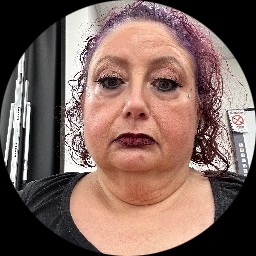
About Glenda
Glenda Dillingham is a licensed marriage and family therapist in California with 30 years of experience. She helps people who are dealing with stress, anxiety, depression, relationship struggles, LGBT concerns, and trauma. Her approach is warm and respectful, focused on listening and tailoring support to each person's needs.
Glenda blends body-focused awareness with talk-based methods to help people feel steadier in day-to-day life. She uses Somatic techniques alongside attachment-focused and client-centered work to help people notice how emotions show up in their bodies and relationships.
Background and approach
Cognitive Behavioral tools and skills from Dialectical Behavior Therapy are also available when practical coping strategies are needed. Sessions are collaborative. The therapist listens first, then designs a plan with clear steps.
People can expect an emphasis on building safety, reducing symptom distress, and learning skills they can use outside sessions. Glenda has worked across many concerns over three decades, including first responder issues, veteran and armed forces matters, grief at end of life, gender dysphoria, non-monogamous relationship challenges, and obsessive or compulsive symptoms. That range informs a flexible, respectful style.
She communicates in English and offers remote formats. The focus is on practical tools, body awareness, and steady support while people aim for clearer, more manageable days.
How somatic and relational approaches work online
Somatic work invites attention to body sensations and movement as an entry point to emotions and stress. Online sessions can guide people to notice breath, posture, and physical signals and then use gentle practices to reduce tension and ground attention. This approach can help with anxiety, trauma aftereffects, and somatic symptoms.Attachment-Based Therapy focuses on patterns in relationships and how early connections shape current reactions. Work in this style looks at how people relate, how they seek safety, and what helps them feel more connected and understood. Client-Centered Therapy emphasizes listening, acceptance, and helping people find their own solutions at their own pace.
Finding the right approach is a collaborative process. The therapist will help figure out which methods fit best based on the person's needs, goals, and preferences. Sessions can mix somatic noticing, relational exploration, and practical skills so the plan evolves with progress.
Online therapy offers practical flexibility through video calls, phone sessions, live chat, or text messaging. These formats make it easier to fit work into busy days, revisit skills between sessions, and maintain continuity when travel or relocation occurs. Licensed professionals can use these options to support steady progress from wherever the person is located.
Frequently asked questions
What concerns does she help with?
What is her therapeutic style like?
How much experience does she bring?
What are her credentials and where is she based?
Which languages are offered for sessions?
What session formats are available?
How does cost and payment work?
How do I begin working with her?
Specialties and expertise
Top specialties
- Stress, Anxiety
- LGBT
- Relationship issues
Also works with
- Depression
- First responder issues
- Gender dysphoria
- Hospice and end-of-life counseling
- Infidelity
- Jealousy
- Multicultural concerns
- Obsessions, compulsions, and OCD
- Paranoia
- Personality disorders
- Polyamory / non-monogamous relationships
- Trauma and abuse
- Veteran and Armed Forces Issues
Therapeutic approaches
- Attachment-Based Therapy
- Client-Centered Therapy
- Cognitive Behavioral Therapy (CBT)
- Dialectical Behavior Therapy (DBT)
- Emotionally-Focused Therapy (EFT)
- Eye Movement Desensitization and Reprocessing (EMDR)
- Mindfulness Therapy
- Motivational Interviewing
- Narrative Therapy
- Psychodynamic Therapy
- Somatic Therapy
- Trauma-Focused Therapy
- Internal Family Systems
- Experience
- 30 years
- Licensed
- California
- Languages
- English