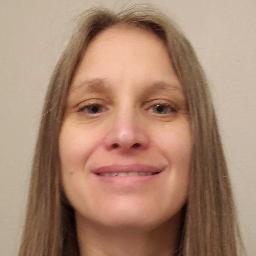
About Elizabeth
Elizabeth Smith is a Licensed Clinical Social Worker who practices in Oregon. She has five years of experience as a psychotherapist and a longer history in social work and mental health. Elizabeth works with people facing stress, anxiety, mood concerns, relationship and parenting challenges, and trauma-related difficulties.
She uses a calm, non-judgmental style that puts a person at ease. Sessions tend to focus on what matters most to the client.
Background and approach
Elizabeth listens first, and then helps people identify small, practical steps they can try between meetings. Her work draws on somatic ideas alongside attachment-focused and client-centered approaches. That means attention to how the body holds experience, patterns in close relationships, and the client’s own goals.
She also draws from cognitive behavioral methods and dialectical behavior skills when those tools fit the need. Clients can expect a collaborative process. Elizabeth helps people name what they want to change and then tries approaches that fit their pace.
Therapy may include talking, grounding practices, skills for managing intense moments, and problem-solving for everyday stress. Her background includes care for people with wide-ranging mood and trauma concerns, and experience supporting those with persistent mental health needs. Elizabeth aims to help people feel steadier, improve communication, and regain a clearer sense of direction in life.
How therapeutic approaches work online
Somatic-informed work pays attention to sensations in the body and how they connect to emotions and memories. Online sessions can include guided body awareness and grounding practices that help when stress or trauma feels overwhelming.Attachment-Based Therapy looks at patterns in close relationships and how those patterns affect present day feelings. Online conversations can surface those patterns and help people try new ways of relating that feel safer and clearer.
Cognitive Behavioral Therapy focuses on the links between thoughts, feelings, and actions and offers practical steps to change unhelpful patterns. Many people find these tools translate well to telehealth and can be practiced between sessions on their own.
Finding the right approach is part of the work. The therapist will collaborate with each person to choose methods that match their needs, goals, and comfort level. That plan can shift as progress is made and new priorities emerge.
Online sessions offer flexibility through video calls, phone sessions, live chat, or text-based messaging. This variety makes it easier to fit therapy into a busy life, access support from different places, and try formats that feel most comfortable for talking or practicing skills.
Frequently asked questions
What kinds of concerns does she help with?
How would you describe her therapeutic style?
What is her clinical background?
Where is she licensed and practicing?
Which languages are sessions offered in?
What session formats are available?
How are sessions paid for and what do they cost?
How do I begin working with her?
Specialties and expertise
Top specialties
- Stress, Anxiety
- Trauma and abuse
- Bipolar disorder
Also works with
- Abandonment
- Attachment issues
- Coaching
- Communication problems
- Coping with life changes
- Depression
- Disruptive Mood Dysregulation Disorder (DMDD)
- Family conflicts
- Grief
- Intimacy-related issues
- Midlife crisis
- Mood disorders
- Panic disorder and panic attacks
- Parenting issues
- Post-traumatic stress
- Relationship issues
- Seasonal Affective Disorder (SAD)
- Self esteem
- Self-love
- Veteran and Armed Forces Issues
- Women's issues
- Workplace issues
- Young adult issues
Therapeutic approaches
- Experience
- 5 years
- Licensed
- Oregon
- Languages
- English