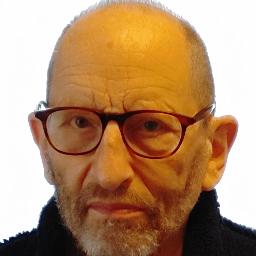
About Donald
Dr. Donald Strauss is a clinician with more than five decades of experience. He holds an MD and two social work licenses, and he draws on that long practice history when meeting people facing hard problems.
He speaks plainly and focuses on practical steps people can try between sessions. Background and approach He has worked with many kinds of concerns over his career, including bipolar disorder, chronic mental health issues, addiction, grief, trauma and abuse, and stress-related conditions.
Background and approach
He has also supported people coping with neurodegenerative disorders and life-altering medical issues. He is comfortable addressing relationship and intimacy-related worries and common struggles like sleep, eating, and self-esteem. Dr.
Strauss uses somatic ideas alongside attachment-based and client-centered ways of working. He also draws on cognitive behavioral strategies and motivational interviewing to help people change patterns that cause distress. Sessions often involve identifying unhelpful thoughts and habits and practicing different responses in real life.
His style is collaborative and solution-focused. He helps people name problems, try alternatives, and check what works. He also pays attention to how the body holds stress and uses that information to guide steps toward relief.
Practical details: he practices from South Carolina and conducts sessions in English. International clients are accepted when scheduling permits.
How Somatic and Attachment Ideas Work Online
Somatic-informed work pays attention to how stress and emotion show up in the body. In sessions this might mean noticing breath, posture, or bodily tension and using simple exercises to shift those sensations. This can help with anxiety, chronic stress, and some trauma-related reactions.Attachment-Based Therapy looks at how early relationships shape expectations for closeness and safety. A therapist helps identify repeating patterns in relationships and supports trying different responses to build more stable connections and clearer communication.
Finding the right approach is a shared task. The therapist will talk with each person about goals and preferences, and then choose or adapt methods together. That makes it easier to try techniques that fit the person’s life and to adjust if something isn’t helpful.
Online sessions can be held by video call, phone, live chat, or text-based messaging. Those options make it possible to work from home, during a break, or while traveling. They also allow follow-up between sessions through messaging and flexible scheduling to fit busy lives.
Frequently asked questions
What issues does Dr. Strauss address?
How would you describe his therapy style?
What is his clinical background?
What credentials does he hold and where is he based?
Which languages are supported for sessions?
What formats are available for sessions?
How are fees and payment handled?
How do I begin working with him?
Specialties and expertise
Top specialties
- Stress, Anxiety
- Relationship issues
- Grief
Also works with
- Abandonment
- Addictions
- ADHD
- Anger management
- Attachment issues
- Avoidant personality
- Bipolar disorder
- Blended family issues
- Body image
- Cancer
- Career difficulties
- Caregiver issues and stress
- Chronic pain, illness, and disability
- Co-morbidity
- Codependency
- Commitment issues
- Communication problems
- Compassion fatigue
- Control issues
- Coping with life changes
- Coping with natural or human-caused disaster
- Dependent personality
- Depression
- Disruptive Mood Dysregulation Disorder (DMDD)
- Divorce and separation
- Domestic violence
- Eating disorders
- Emptiness
- Family conflicts
- Family of origin issues
- Family problems
- First responder issues
- Forgiveness
- Guilt and shame
- Impulsivity
- Infidelity
- Intimacy-related issues
- Isolation / loneliness
- LGBT
- Life purpose
- Men's issues
- Midlife crisis
- Mood disorders
- Multicultural concerns
- Narcissism
- Obsessions, compulsions, and OCD
- Panic disorder and panic attacks
- Parenting issues
- Personality disorders
- Phobias
- Polyamory / non-monogamous relationships
- Post-traumatic stress
- Postpartum depression
- Pregnancy and childbirth
- Seasonal Affective Disorder (SAD)
- Self esteem
- Self-harm
- Self-love
- Sex addiction
- Sexual assault and abuse
- Sexual dysfunction
- Sexuality
- Sleeping disorders
- Social anxiety and phobia
- Somatization
- Trauma and abuse
- Traumatic brain injury
- Women's issues
- Workplace issues
- Young adult issues
Therapeutic approaches
- Experience
- 52 years
- Licensed
- South Carolina, Maryland
- Languages
- English