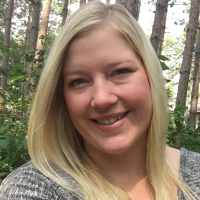
About Connie
Connie Toavs is a licensed clinical social worker who helps people manage stress, anxiety, trauma, grief, and relationship struggles. She describes a calm, steady presence and aims to make sessions feel welcoming and nonjudgmental. Connie combines talk and body-focused perspectives to help people notice how emotions show up in their bodies and daily life.
Connie draws on ten years of clinical practice and training in psychology, gerontology, and social work.
Background and approach
She blends somatic ideas with attachment-based and client-centered approaches to look at how past relationships shape present reactions. Sessions often include noticing physical sensations alongside thoughts and feelings to get a fuller picture of what’s happening. People can expect a personal, exploratory tone in sessions.
Connie uses life review and guided discussion to spot repeated patterns that cause pain or interfere with daily functioning. From there she helps people build tools to change automatic reactions, manage physiological reactions, and improve emotional regulation. Her work also addresses practical stresses such as caregiving strain, chronic illness, and end-of-life concerns alongside intimacy, identity, and sexual culture issues.
Connie integrates strategies from cognitive behavioral and emotionally-focused frameworks when that fits the person’s needs. Connie holds LCSW and LICSW credentials and practices in Minnesota. She offers a steady, patient style intended to help people build understanding, calm their bodies, and make changes they can use outside of sessions.
Approaches you can use online
Somatic-informed work focuses on the body-mind link, helping people notice physical sensations that accompany stress, grief, or trauma and learning simple ways to ease bodily tension. It can be useful for chronic pain, anxiety, or when emotions feel stuck.Attachment-Based Therapy looks at how early relationship patterns shape current reactions. It helps people identify recurring relationship behaviors and build safer ways of connecting and responding to others.
Client-Centered Therapy emphasizes a respectful, nonjudgmental space where the person sets the pace and topics. This approach supports people who need emotional validation and steady, empathic listening while they sort through concerns.
Finding the right mix of methods is a collaborative process. The therapist will discuss goals, try approaches that fit your needs, and adjust based on what feels most helpful. Together you will decide whether somatic practices, attachment work, or a more talk-based style best supports your progress.
Online therapy offers flexible ways to connect via video, phone, live chat, or text-based messaging. These formats make it easier to schedule sessions around work, caregiving, or health limits and let people use shorter check-ins or longer video conversations as needed. Many people find the variety makes it simpler to keep momentum and try different ways of working without travel.
Frequently asked questions
What concerns does this therapist address?
How would you describe the therapeutic style?
What kind of clinical background informs the work?
Where is the therapist licensed and based?
Which languages are sessions offered in?
What session formats are available?
How are fees handled?
How do I begin working with this therapist?
Specialties and expertise
Top specialties
Also works with
- Addictions
- Aging and geriatric issues
- BDSM, kink, and alternative sex culture
- Cancer
- Career difficulties
- Caregiver issues and stress
- Chronic pain, illness, and disability
- Co-morbidity
- Codependency
- Commitment issues
- Communication problems
- Compassion fatigue
- Coping with life changes
- Depression
- Emptiness
- Guilt and shame
- Hospice and end-of-life counseling
- Intimacy-related issues
- Isolation / loneliness
- LGBT
- Life purpose
- Mood disorders
- Panic disorder and panic attacks
- Post-traumatic stress
- Process addiction (porn, exercise, gambling)
- Relationship issues
- Self esteem
- Self-love
- Sexuality
- Traumatic brain injury
- Women's issues
- Young adult issues
Therapeutic approaches
- Experience
- 10 years
- Licensed
- Minnesota, Wisconsin
- Languages
- English