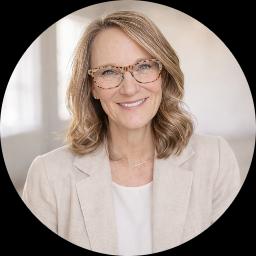
About Carrie
Carrie Gottschalk is a licensed mental health practitioner in Nebraska who helps people facing stress, anxiety, grief, and the long-term effects of trauma. She works with adults coping with life changes, parenting stress, compassion fatigue, career strain, and challenges with self-esteem or ADHD. Her approach aims to make hard moments feel more manageable and less isolating.
Carrie uses practical, conversational methods in sessions. She values a respectful and warm therapeutic relationship and adapts sessions to each person’s needs.
Background and approach
Clients can expect a collaborative tone that focuses on strengths and clear problem-solving steps. Somatic ideas inform much of her work, bringing attention to how the body holds stress and trauma. She also draws on attachment-based and client-centered approaches to repair patterns in relationships and build trust.
Cognitive and dialectical skills are used when people need tools to manage thoughts, emotions, and intense reactions. Sessions blend talk, grounding exercises, and skills coaching. The goal is to identify small, doable changes that reduce distress and improve daily functioning.
Therapy plans are tailored rather than one-size-fits-all. Carrie holds the LIMHP credential, which stands for Licensed Independent Mental Health Practitioner. She has ten years of experience in clinical practice in Nebraska.
People who choose her often want straightforward support and practical strategies for lasting change.
How therapeutic approaches translate to online care
Somatic work pays attention to how stress and trauma show up in the body. Online sessions can include guided breathing, grounding, and gentle sensing exercises that help people notice and shift bodily responses. Attachment-based therapy looks at how early relationship patterns affect current connections and trust; in teletherapy this often means mapping relational patterns and practicing new ways of relating in conversation. Client-centered therapy centers on listening and creating a supportive, nonjudgmental space where clients set the pace and agenda for healing.Finding the right approach is a joint effort. The therapist will talk with each person about goals, past experiences, and what feels most helpful. Then they will try methods together and adjust the plan based on what works and what doesn’t, keeping the client’s preferences central to the process.
Online therapy offers flexible ways to meet. Video calls let people work face-to-face from home while phone sessions remove visual pressure. Live chat and text-based messaging make check-ins and skill practice easier between sessions. These options make it simpler to fit therapy into busy schedules and to keep continuity of care when life gets in the way.
Frequently asked questions
What kinds of problems does Carrie help with?
How would you describe her therapeutic style?
What is her background and experience?
What credential and location are associated with this therapist?
Which languages are sessions offered in?
What session formats are available?
How is cost handled for sessions?
How do I begin working with this therapist?
Specialties and expertise
Top specialties
Also works with
- ADHD
- Adoption and foster care
- Anger management
- Attachment issues
- Career difficulties
- Coaching
- Compassion fatigue
- Coping with life changes
- Depression
- Family conflicts
- Grief
- Parenting issues
- Post-traumatic stress
- Relationship issues
Therapeutic approaches
- Experience
- 10 years
- Licensed
- Nebraska
- Languages
- English