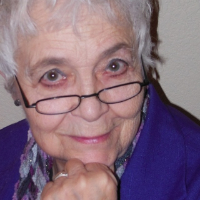
About Carol
Dr. Carol Carrell is a licensed marriage and family therapist with 30 years of practice. She helps people facing anxiety, depression, stress, grief, addiction, relationship strain, parenting challenges, ADHD, trauma, and LGBT concerns.
Her work often includes people coping with illness, caregiver fatigue, chronic pain, or life transitions. She uses a mix of approaches and keeps sessions focused on the person in front of her. Carol listens closely and helps people notice how their body and emotions connect.
Background and approach
She draws on somatic work, client-centered conversation, CBT, DBT, and emotionally-focused ideas to tailor each plan. Sessions aim to build practical skills and clearer communication. That may include learning breathing and grounding techniques, mapping patterns of thought and behavior, or practicing new ways to ask for support.
Carol emphasizes small, doable steps that fit each person’s life and goals. Her background includes teaching and supervising other clinicians, so she brings wide clinical experience to each meeting. She has worked across many settings with people of varied ages and life situations, including those facing medical or caregiving stress.
People who choose her often want a calm, straightforward therapist who pays attention to the body as well as thoughts. She encourages collaboration and goal-setting so therapy is useful and practical.
How somatic work and skills-based therapy translate online
Somatic work pays attention to bodily signals and how they connect to feelings and behavior, using simple practices like breathing, grounding, and gentle movement to help people feel more regulated. Client-centered therapy focuses on listening carefully, reflecting back what matters to the person, and building an empathetic, nonjudgmental space for change. Cognitive Behavioral Therapy (CBT) looks at patterns of thought and behavior and teaches concrete tools to shift unhelpful habits and manage symptoms.Finding the right mix of approaches is part of the process. The therapist will collaborate with each person to decide which methods fit their needs, goals, and preferences. That might mean trying somatic techniques for body-based symptoms, or using CBT skills for anxious thinking, and adjusting the plan over time.
Online formats include video calls, phone sessions, live chat, and text-based messaging, which makes it easier to fit therapy into a busy schedule. Video sessions allow for visual connection and guided somatic exercises. Phone calls can be a good option when bandwidth is limited or a shorter check-in is needed. Live chat and text let people share thoughts between sessions and track progress over time.
Frequently asked questions
What kinds of problems does she address?
How would you describe her therapy style?
What background and experience does she bring?
Where is she licensed and based?
Which languages are sessions offered in?
What session formats does she use online?
How are fees handled?
How do I begin working with her?
Specialties and expertise
Top specialties
Also works with
- Addictions
- ADHD
- Aging and geriatric issues
- Anger management
- Blended family issues
- Cancer
- Career difficulties
- Caregiver issues and stress
- Chronic pain, illness, and disability
- Co-morbidity
- Coaching
- Codependency
- Commitment issues
- Communication problems
- Compassion fatigue
- Control issues
- Coping with life changes
- Coping with natural or human-caused disaster
- Domestic violence
- Drug and alcohol addiction
- Emptiness
- Family conflicts
- Family of origin issues
- First responder issues
- Forgiveness
- Gender dysphoria
- Grief
- Guilt and shame
- HIV / AIDS
- Hoarding
- Hospice and end-of-life counseling
- Intimacy-related issues
- Life purpose
- Midlife crisis
- Multicultural concerns
- Panic disorder and panic attacks
- Parenting issues
- Post-traumatic stress
- Postpartum depression
- Pregnancy and childbirth
- Prejudice and discrimination
- Relationship issues
- Seasonal Affective Disorder (SAD)
- Self esteem
- Self-love
- Sexual assault and abuse
- Sleeping disorders
- Social anxiety and phobia
- Trauma and abuse
- Traumatic brain injury
- Veteran and Armed Forces Issues
- Women's issues
- Workplace issues
Therapeutic approaches
- Client-Centered Therapy
- Cognitive Behavioral Therapy (CBT)
- Dialectical Behavior Therapy (DBT)
- Emotionally-Focused Therapy (EFT)
- Existential Therapy
- Jungian Therapy
- Mindfulness Therapy
- Motivational Interviewing
- Narrative Therapy
- Psychodynamic Therapy
- Solution-Focused Therapy
- Somatic Therapy
- Trauma-Focused Therapy
- Experience
- 30 years
- Licensed
- California, Arizona
- Languages
- English