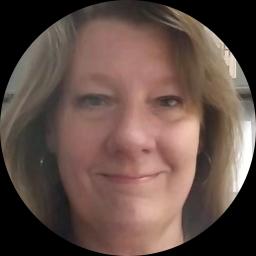
About Barbara
Barbara Carroll is a licensed clinical social worker in Texas with ten years of experience. She helps people who are struggling with stress, anxiety, trauma and abuse, grief, anger, and depression. Her approach is straightforward and down-to-earth.
She encourages clients to notice their strengths and build from there. Barbara combines body-centered work with talk therapy. She often uses somatic methods to help people feel what is happening in their bodies.
Background and approach
She pairs that with practical tools from Cognitive Behavioral Therapy and skills from Dialectical Behavior Therapy. When trauma is present she may include techniques that focus on processing distressing memories. Sessions are conversational and paced to each person.
Barbara invites clients to name what matters most and to try small changes between meetings. She emphasizes concrete skills for managing emotions and notes bodily signals that can guide regulation. The work is collaborative and goal-focused.
Her background as an LCSW gives her a broad view of common life crises. She has supported people facing attachment struggles, family of origin issues, identity concerns, and the lasting effects of abuse. Barbara also helps with shame, guilt, body image, and complex grief.
People who reach out can expect a practical, compassionate approach rooted in body awareness and evidence-informed techniques. The focus is on steps that improve day-to-day functioning and strengthen coping over time.
How somatic and skills-based approaches work online
Barbara commonly uses Somatic Therapy to help people tune into bodily sensations and notice how the body holds stress. This can make emotions easier to describe and manage during sessions. She also uses Cognitive Behavioral Therapy to identify unhelpful thoughts and try small behavior changes that reduce anxiety and depression.Some clients also learn Dialectical Behavior Therapy skills to improve emotion regulation, tolerate distress, and strengthen interpersonal effectiveness. Each approach offers concrete steps you can practice between sessions and can be adapted to an online setting. Choosing the right mix of methods is part of the work together, and the therapist will collaborate with clients to match methods to personal goals and comfort levels.
Online therapy with video calls, phone sessions, live chat, or text-based messaging gives practical flexibility. It lets people access sessions from home and fit meetings into busy schedules. Candidates can use different formats for check-ins, skills practice, or longer conversations depending on what feels most helpful.
Frequently asked questions
What concerns does she help with?
What is her therapeutic style like?
How much experience does she have?
What are her credentials and where is she located?
Which languages are supported for sessions?
What session formats are available online?
How are sessions priced?
How do I begin working with her?
Specialties and expertise
Top specialties
Also works with
- Abandonment
- Adoption and foster care
- Anger management
- Antisocial personality
- Attachment issues
- Avoidant personality
- Body image
- Coping with natural or human-caused disaster
- Dependent personality
- Depression
- Disruptive Mood Dysregulation Disorder (DMDD)
- Dissociation
- Domestic violence
- Emptiness
- Family of origin issues
- Forgiveness
- Guilt and shame
- Impulsivity
- Mood disorders
- Panic disorder and panic attacks
- Personality disorders
- Post-traumatic stress
- Process addiction (porn, exercise, gambling)
- Self-harm
- Sexual assault and abuse
- Somatization
- Young adult issues
Therapeutic approaches
- Experience
- 10 years
- Licensed
- Texas
- Languages
- English