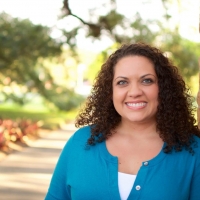
About April
April Shields is a licensed professional counselor who helps people facing stress, anxiety, trauma, low self-esteem, and life changes. She works with people managing ADHD, relationship struggles, compassion fatigue, and those seeking coaching around purpose and self-love. April creates a calm space where people can explore what’s getting in the way of living the life they want.
Her sessions are collaborative and practical. April starts by asking what matters most to the client and then crafts sessions around those goals.
Background and approach
She uses simple, grounded tools such as breathwork and guided meditation alongside talking through patterns and choices. April brings 15 years of clinical practice to her work and holds LPC (Licensed Professional Counselor) and LPCC (Licensed Professional Clinical Counselor) credentials.
She draws on several approaches to meet different needs, including somatic, mindfulness, and solution-focused methods, and uses EMDR when trauma work is appropriate. Her style is steady and non-judgmental. Clients are invited to notice the body and the mind together.
April emphasizes building self-trust, self-compassion, and clearer decision making as practical outcomes of therapy. People who come to April often want straightforward tools they can use between sessions. She supports exploration of family of origin issues, attachment and communication challenges, dissociation, multicultural concerns, and somatization while helping clients move toward more confidence and clearer priorities.
How somatic and talk therapies work online
Somatic Therapy brings attention to physical sensations, breath, and posture to help people notice how stress and emotion show up in the body. Online sessions can include guided breathwork and grounded exercises to practice between meetings and during video calls.Client-Centered Therapy focuses on listening, empathy, and building a trusting relationship so clients can find their own solutions. In remote sessions this often looks like reflective conversation, goal setting, and gentle coaching tailored to each person.
Eye Movement Desensitization and Reprocessing (EMDR) is used for trauma processing and involves structured steps to help reduce distress tied to memories. With a therapist’s guidance, some EMDR elements can be adapted to online video work when appropriate for the client's needs.
Choosing the right approach is part of the therapy process. The therapist will collaborate with the client to decide which methods fit their goals, symptoms, and comfort level. That exploration can shift over time as needs change.
Online therapy offers flexibility through video calls, phone sessions, live chat, or text-based messaging. These options make it easier to fit sessions around work, family, and daily life while still accessing licensed professionals. Many people find the mix of live conversation and short between-session practices useful for steady progress.
Frequently asked questions
What concerns does April address?
How would you describe her therapeutic style?
What is her clinical background?
What credentials and location information are listed?
Can sessions be conducted in other languages or internationally?
What session formats are available?
How does payment and cost work?
What are the steps to begin working together?
Specialties and expertise
Top specialties
Also works with
Therapeutic approaches
- Experience
- 15 years
- Licensed
- Wisconsin, California, Arizona
- Languages
- English