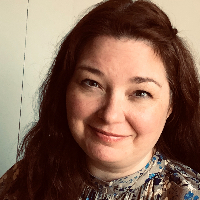
About Amy
Amy Klein is a licensed social worker who blends body-based awareness with practical talk therapy. She brings 14 years of clinical experience and a long history in social work to sessions. Amy uses simple tools to help people manage anxiety, stress, grief, addictions, and life transitions.
She began helping others soon after high school and completed a Bachelor of Social Work at Wayne State University. Amy later served in the Peace Corps working with youth in Kingston, Jamaica, and returned to the U.S. to earn a Master of Social Work at Western Michigan University.
Background and approach
Her background includes work in medical clinics, rural schools, a Native tribe, and a medium-security prison. Amy blends somatic practices with cognitive and mindfulness-based methods to help people reconnect with their bodies and emotions. Sessions often include breathing, grounding, and straightforward cognitive tools to reduce overwhelm and improve daily functioning.
She also draws on storytelling, movement, yoga, and artistic approaches when useful. Her clinical style emphasizes listening, emotional safety, and practical steps clients can use between sessions. Amy describes herself as an empath and often supports people navigating trauma, family difficult dynamics, parenting stress, burnout, ADHD, and mood concerns.
She also works with people facing caregiving strain, chronic health challenges, body image and identity issues. Outside of therapy she teaches yoga, practices Reiki, and follows Native Tradition practices. She lives near Lake Michigan and often brings nature-based metaphors into her work.
Amy aims to help people find their inner compass and small, steady ways to feel better day to day.
How somatic and talk approaches work online
Amy integrates somatic practices and Acceptance and Commitment Therapy in online sessions. Somatic work focuses on noticing physical sensations, breath, and posture to help reduce stress and reconnect people with their bodies. It can be useful for trauma, anxiety, and chronic pain by offering simple body-based techniques to use at home.Acceptance and Commitment Therapy, or ACT, helps people notice their thoughts and values and take small actions that matter to them. In session this often looks like short experiments, values clarification, and practical steps to change what can be changed while accepting what cannot. Client-centered work complements these approaches by keeping the session focused on the person’s priorities and experiences rather than a preset agenda.
Finding the right mix of methods is part of the process. The therapist will collaborate with each person to see what fits best for their needs, goals, and preferences. Together they decide whether to emphasize body practices, cognitive tools, or values-based work.
Online sessions can take place over video, phone, live chat, or text-based messaging. This flexibility makes it easier to fit therapy into busy schedules, to practice grounding or breathing techniques at home, and to continue care when travel or distance would otherwise be a barrier.
Frequently asked questions
What concerns does Amy commonly help with?
What is her therapeutic style like?
How much clinical experience does she have?
What are her credentials and where is she based?
Which languages are supported for sessions?
What session formats are offered?
How does pricing work?
How do I begin working with Amy?
Specialties and expertise
Top specialties
- Stress, Anxiety
- Addictions
- Family conflicts
Also works with
- Abandonment
- ADHD
- Adoption and foster care
- Aging and geriatric issues
- Anger management
- Antisocial personality
- Attachment issues
- Autism and Asperger Syndrome
- Avoidant personality
- Bipolar disorder
- Blended family issues
- Body image
- Cancer
- Career difficulties
- Caregiver issues and stress
- Chronic pain, illness, and disability
- Co-morbidity
- Codependency
- Commitment issues
- Communication problems
- Compassion fatigue
- Control issues
- Coping with life changes
- Coping with natural or human-caused disaster
- Dependent personality
- Depression
- Disruptive Mood Dysregulation Disorder (DMDD)
- Dissociation
- Divorce and separation
- Domestic violence
- Drug and alcohol addiction
- Eating and food-related issues
- Eating disorders
- Emptiness
- Family of origin issues
- Family problems
- Fatherhood issues
- Fertility issues
- First responder issues
- Forgiveness
- Gender dysphoria
- Grief
- Guilt and shame
- HIV / AIDS
- Hoarding
- Hospice and end-of-life counseling
- Immigration issues
- Impulsivity
- Infidelity
- Intimacy-related issues
- Isolation / loneliness
- Jealousy
- Life purpose
- Men's issues
- Midlife crisis
- Money and financial issues
- Mood disorders
- Multicultural concerns
- Narcissism
- Obsessions, compulsions, and OCD
- Panic disorder and panic attacks
- Paranoia
- Parenting issues
- Personality disorders
- Phobias
- Polyamory / non-monogamous relationships
- Post-traumatic stress
- Postpartum depression
- Pregnancy and childbirth
- Prejudice and discrimination
- Process addiction (porn, exercise, gambling)
- Seasonal Affective Disorder (SAD)
- Self esteem
- Self-harm
- Self-love
- Sex addiction
- Sexual assault and abuse
- Sexual dysfunction
- Sexuality
- Smoking / vaping cessation
- Social anxiety and phobia
- Somatization
- Trauma and abuse
- Traumatic brain injury
- Trichotillomania
- Veteran and Armed Forces Issues
- Visually impaired
- Women's issues
- Workplace issues
- Young adult issues
Therapeutic approaches
- Experience
- 14 years
- Licensed
- Michigan, Washington
- Languages
- English